Wholesale Blog
Pre-Owned Luxury: From Sourcing to Scale
Pre-owned luxury has moved well beyond the traditional consignment store. Today, established retailers are looking at resale as an opportunity to reach new customers, create additional revenue streams and expand their assortment into a category their customers are increasingly interested in but, there's a big difference between deciding you want to sell pre-owned luxury and actually building a successful program around it.

LePrix Team
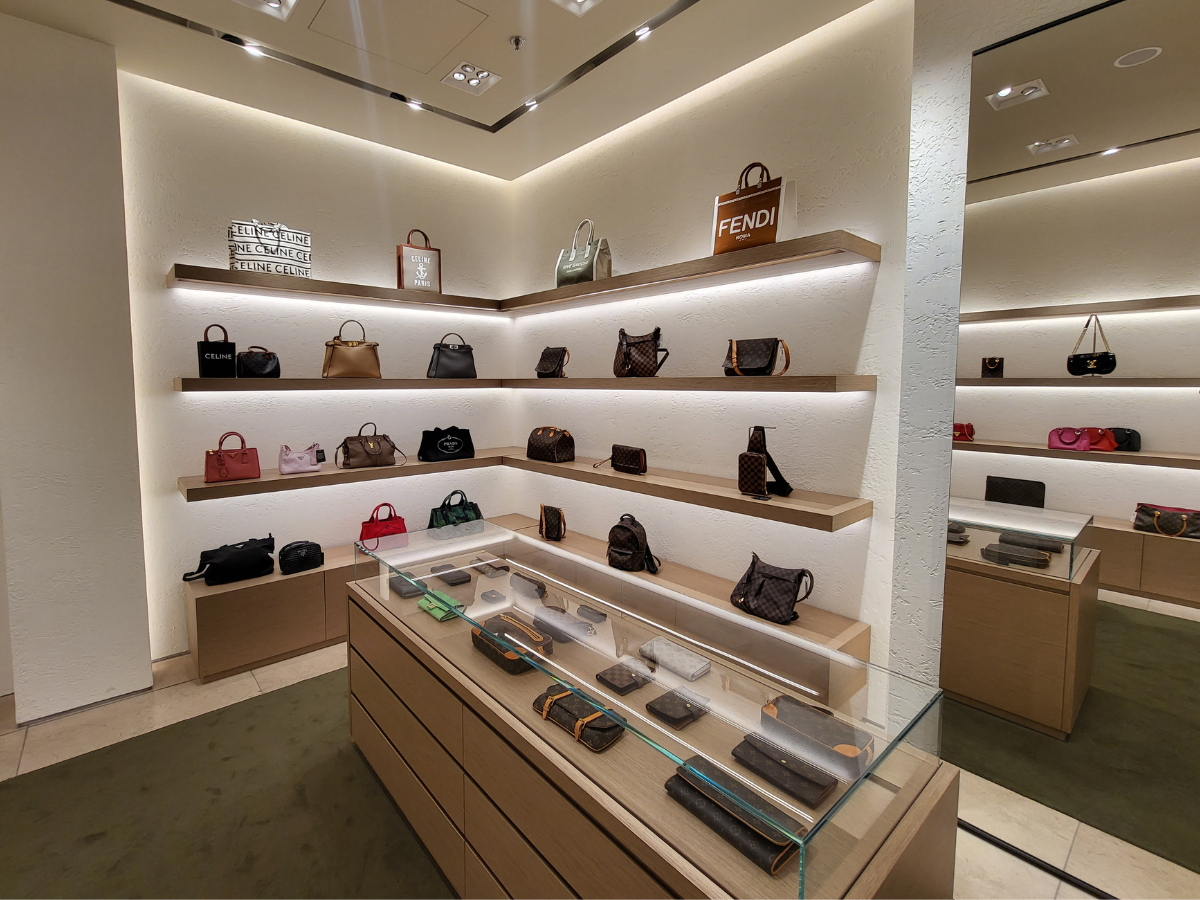
You need inventory. But more importantly, you need the right inventory, at the right price, in the right quantities, and at the right time. This is where things can get complicated.
Traditional retail buying is relatively predictable. You work with brands or distributors, place orders, receive standardized products and generally know your costs and retail prices before merchandise arrives. Pre-owned luxury is different.
Every handbag is essentially its own SKU. Conditions vary. Pricing varies. Availability changes constantly. A Chanel Classic Flap purchased today may not be available from the same source tomorrow. Two seemingly identical Louis Vuitton bags can have different acquisition costs based on condition, age, accessories, and other factors. Then, there are questions around authentication, pricing, assortment, sell-through, replenishment and sourcing.
Where do we get the inventory? It’s an important question, but it shouldn’t be the only one. You also need to determine what you should buy. Which brands make sense for your customer? What price points should you carry? How much Chanel versus Louis Vuitton? Should you focus primarily on handbags or expand into accessories? Which styles should be replenished consistently? How much inventory does each store need? And once you start selling, the questions change. What’s actually performing? What’s sitting? Where are your margins? What should you replenish? Should the assortment differ by location? Is your customer responding differently than you anticipated?
A successful pre-owned luxury program requires much more than access to handbags. It requires category management, which you could build internally. For some retailers, building an internal pre-owned luxury team makes sense, but doing so requires hiring or developing people with very specific knowledge of the secondary luxury market.
You may need buyers who understand pre-owned luxury pricing and demand, sourcing relationships, authentication processes, merchandising capabilities, data and demand planning, and operational workflows and ongoing training. Unlike a traditional retail category, there isn’t necessarily a predictable assortment available to reorder whenever inventory gets low. Building that expertise takes time, and you’re building infrastructure around a category your company may never have operated before.
There’s another option.
LePrix works with enterprise retailers that want to enter or expand within pre-owned luxury without having to build the entire infrastructure internally.
Rather than simply providing access to wholesale inventory, LePrix can operate as an extension of your team, helping manage the category from strategy through execution.
That can include:
- Category Strategy: Determining the right approach to pre-owned luxury based on your business, customer and goals.
- Global Sourcing: Accessing pre-owned luxury inventory through an established international supplier network.
- Assortment Planning: Building an inventory mix around brands, styles, price points and conditions appropriate for your customer.
- Buying & Pricing Strategy: Evaluating acquisition costs, resale values and margin opportunities before capital is committed.
- Demand Planning & Replenishment: Using performance to determine what should be purchased again, where inventory should go and how the assortment should evolve.
- Authentication & Quality Control: Incorporating authentication and inspection into the inventory process.
- Data & Performance Analysis: Tracking sell-through, margins and other performance indicators to inform future buying decisions.
- Training & Operational Support: Helping internal teams understand the category and supporting the workflows needed to sell pre-owned luxury effectively.
Instead of handing your team a wholesale catalog and saying, “Start buying,” the goal is to build a repeatable, measurable category strategy around your business.
One of the biggest mistakes a retailer can make is assuming that adding a few recognizable luxury handbags automatically creates a resale program. It doesn’t. The assortment needs to make sense for the customer who already shops with you.
A retailer serving a younger, trend-driven customer may need a very different assortment than a retailer whose customer is looking for investment-worthy classics. Geography, average transaction value, store location and existing product categories can all influence what pre-owned luxury should look like within the business.
Entering pre-owned luxury doesn’t have to mean rolling out hundreds of handbags across every store on day one. A thoughtful program can begin with a controlled assortment, establish benchmarks and use actual performance to determine what comes next. What sold? How quickly did it sell? What margins did it produce? Which brands and price points performed? What didn’t sell?
Those answers become the foundation for the next buying cycle. As the data gets stronger, the program can become more sophisticated, expanding assortments, adjusting inventory levels, refining pricing and potentially rolling the category into additional locations.
The goal isn’t simply to sell pre-owned handbags, It’s to build a category that can be measured, managed and scaled.
The Results
One national retailer came to LePrix looking for a new way to attract customers and create an additional revenue stream outside of its existing product assortment. LePrix identified pre-owned and resale as an opportunity and proposed testing the category through a pilot program.
Rather than committing to a large rollout immediately, the retailer did something particularly interesting; It tested LePrix against another pre-owned supplier, giving each supplier five stores.
This gave the retailer the opportunity to evaluate not only the inventory being provided, but how each partner performed in supporting the category and that’s where the difference became clear.
LePrix’s Enterprise Services extended beyond product curation to include category management, data analytics, demand planning, replenishment forecasting, education and training. According to the case study, LePrix outperformed the competing supplier in both product sell-through and client satisfaction.
The pilot ultimately grew from five stores to an exclusive 50-store program, generating approximately $2 million since launch and tracking toward $10 million annually.
So what made the difference? It wasn’t simply access to more handbags. Product sell-through was important, but so were demand planning and replenishment, accessibility and project management, training and the infrastructure surrounding the inventory that allowed the retailer to actually build the category.
That’s the difference between sourcing pre-owned luxury inventory and building a pre-owned luxury business.
For retailers considering pre-owned luxury, the opportunity is there, but so is the complexity and LePrix has proven that acting as an extension of your team, managing your pre-owned luxury category from strategy and sourcing through demand planning, replenishment and execution leads to success.
Whether you’re testing pre-owned luxury for the first time or looking to scale an existing program, the goal is the same: build a category that performs, and a strategy that can grow with it.
To learn more about LePrix’s Enterprise Services, please visit: leprix.com/enterprise