Wholesale Blog
The Growing Challenge of Transformed Luxury Handbags
The pre-owned luxury market has always required buyers to understand authenticity, condition and provenance. But as restoration and reconstruction techniques become increasingly sophisticated, there is another issue professional buyers and resellers need to understand: materially transformed handbags.

LePrix Team
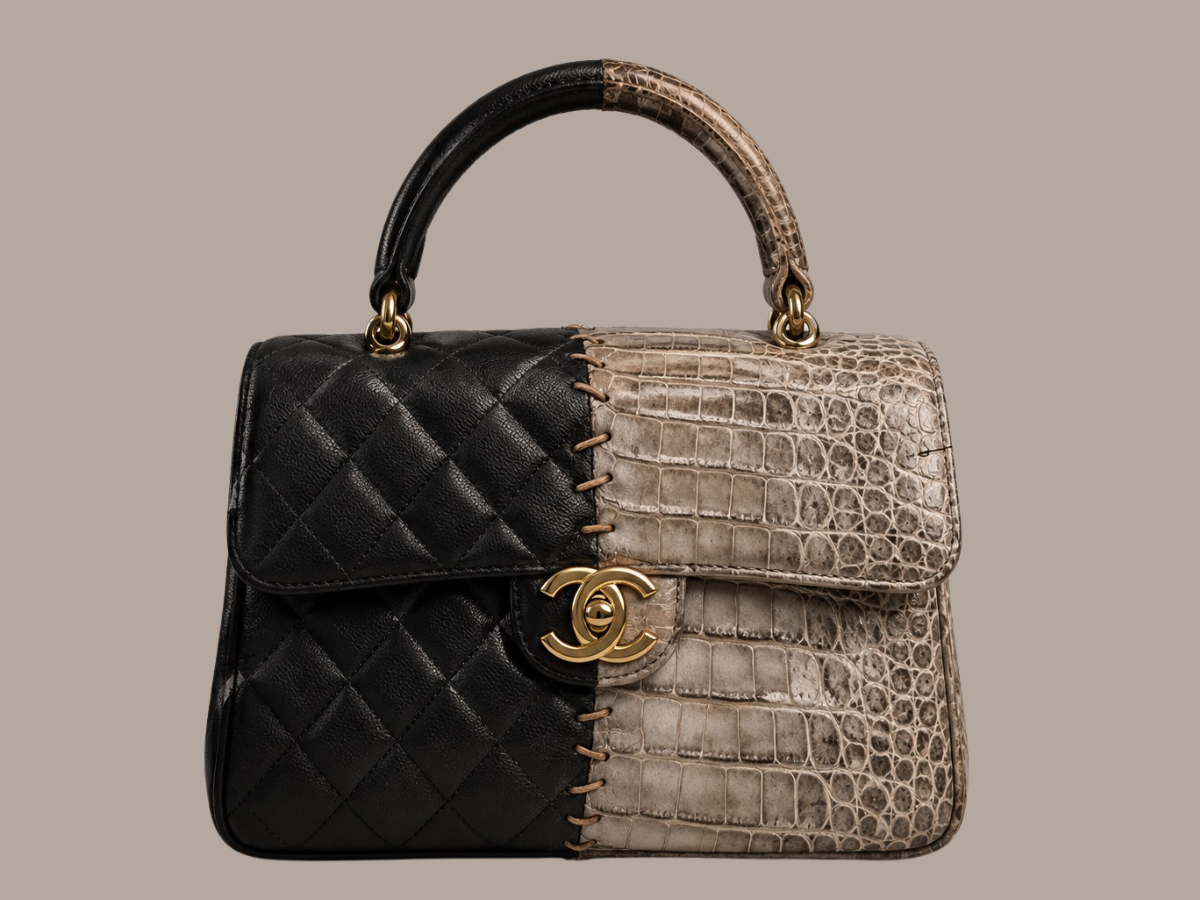
Recent reporting by Closet Full of Cash has highlighted vintage Chanel handbags appearing in the resale market that may look like rare exotic pieces but were not necessarily manufactured by Chanel in the form in which they are now being sold. In some cases, an authentic vintage handbag can have its original exterior removed and replaced with an entirely different material while retaining original components such as the hardware, interior elements and serial sticker.
The finished handbag can look convincing and may contain numerous authentic components. But there is an important distinction: Authentic components do not necessarily mean the finished handbag was manufactured by the brand in its current form. For businesses buying and selling pre-owned luxury, understanding that distinction is increasingly important.
Restoration vs. Transformation Cleaning, conditioning, repairing stitching or restoring existing material is very different from removing the original exterior of a handbag and replacing it entirely with another material.
For example, if a Chanel handbag originally left the boutique in lambskin and is later re-covered in crocodile by a third party, authentic Chanel components may remain underneath. But Chanel did not manufacture that particular handbag as a crocodile bag. That difference can affect how an item should be described, valued and ultimately offered for resale. It also reinforces why authentication cannot always stop at an individual serial number, piece of hardware or other identifying component. The handbag needs to make sense as a whole.
Exotic Skin Can Be Particularly Difficult Exotic handbags can present an additional challenge because appearance alone isn’t always enough to determine what you’re looking at. High quality crocodile embossed leather can closely mimic genuine exotic skin, including variations in scale size and pattern. Genuine exotic skins can also vary considerably depending on species, cut, finish and treatment. A crocodile like pattern, therefore, should never by itself be considered proof that a handbag is genuine crocodile.
The larger question is whether everything about the handbag makes sense together. Does the model align with the material? Is the material appropriate for the production period? Are the construction details consistent with known examples? Do the hardware and identifiers make sense for the bag? And, importantly, is there evidence that the handbag has undergone significant restoration or material replacement?
Know What the Brand Actually Produced Brand knowledge remains one of the most valuable tools in luxury resale. Before purchasing an unusually rare or high value piece, particularly an exotic handbag, buyers should consider whether the brand actually produced that model in the material being represented, whether the material and color are consistent with the production period, and whether the construction and identifiers align with known examples.
The condition of identifiers matters as well. Serial numbers, date information and other identifying elements should be reviewed in context, particularly when they are missing, obscured or altered. Buyers should also understand the item’s restoration history. Has material been repaired, refinished or replaced? Has the handbag been materially transformed from its original configuration? If so, is that information being clearly disclosed?
An item can contain authentic components and still require additional investigation to determine whether the finished handbag is consistent with what the brand originally manufactured.
The LePrix Approach to Verification For LePrix, authentication and verification are fundamental to the inventory we offer to our clients.
We maintain rigorous verification standards and work with multiple independent authentication partners, providing additional resources and expertise when an item requires further review, but verification isn’t simply about confirming an individual component. Our team brings years of specialized experience in luxury handbags and accessories, allowing us to evaluate an item within the broader context of what the brand actually produced. Material, construction, identifiers, production period and overall configuration can all be important parts of that review. When necessary, the item needs to be considered as a whole.
If an item does not meet LePrix’s verification standards, it is removed from consideration and will not be offered for sale or passed on to our clients, giving businesses confidence not only in the individual pieces they purchase, but also in the sourcing and verification processes behind them.
Education Is One of the Best Forms of Protection Materially transformed handbags aren’t an issue limited to one seller, one platform or one country. Luxury goods move through a global secondary market and may change hands numerous times before reaching a reseller or end consumer. That makes education increasingly important.
For professional resellers, knowing your inventory means understanding more than whether a logo, serial number or piece of hardware appears authentic. It means understanding the entire product being offered for sale and recognizing when something warrants a closer look. The more unusual the piece and the higher the value, the more important that due diligence becomes and for wholesale buyers, due diligence also means knowing who you’re sourcing from, how inventory is verified and what standards that sourcing partner is willing to stand behind.
This article is based in part on original research and reporting published by Deanna Thompson at Closet Full of Cash, which has been documenting materially transformed and misrepresented vintage Chanel exotic handbags circulating in the global resale market.
The visual accompanying this article was created using AI for illustrative purposes. The Chanel bag depicted does not exist and is intended only to represent the subject discussed in this article.